Post-Separation Abuse: Control After Leaving
Post-separation abuse is control that continues after you leave: legal abuse, money, the children, harassment. The tactics, the risks, and how to stay safe.

You thought leaving would end it. You moved out, signed the papers, and waited for things to go quiet.
Instead the letters kept coming. Court dates, complaints, changes to the arrangements, messages that were polite on the surface and frightening underneath.
This has a name. It is post-separation abuse, and it is one of the least understood parts of leaving.
What is post-separation abuse?
Post-separation abuse is a continuing pattern of control, intimidation or harassment of a former partner after a relationship ends. It often uses the courts, money and the children. It is not a messy breakup. It is the same abuse, carried on through new channels.
A 2023 concept analysis defined it as an ongoing, deliberate pattern of intimidating a former partner. It includes legal abuse, economic abuse, threats involving the children, isolation, discrediting, harassment and stalking.
The word that matters is continuing. Separation removes shared space. It does not remove the wish to control.
Why does abuse continue after leaving?
Because the relationship was built on control, and leaving takes control away. For someone who needs it, separation is a loss to be reversed.
That is why many survivors find things get worse, not better, once they leave. A qualitative study of 22 divorced mothers took its title from one woman’s words: she had been naive to think her ex-husband was out of her life.
The women described their former husbands using the children, threats and harassment, emotional and economic abuse, and the legal system. Many said they gave up almost everything just to get out.
What are the tactics of post-separation abuse?
- Using the children: Turning handovers into confrontations, undermining you to the children, or threatening custody.
- Litigation abuse: Repeated court applications, appeals and complaints that cost you time and money.
- False reports: Calls to police, social services or schools with accusations that force you to defend yourself.
- Economic abuse: Withholding support, hiding assets, or dragging out the division of money.
- Harassment and monitoring: Constant messages, turning up uninvited, tracking where you go.
- Discrediting: Telling family, friends and professionals that you are unstable, vindictive or the real abuser.
- Isolation: Turning shared friends and family against you. Flying monkeys covers the people who carry those messages.
A 2024 review of 48 studies linked these tactics to serious harm for survivors and children, including risk to life.
What is litigation abuse?
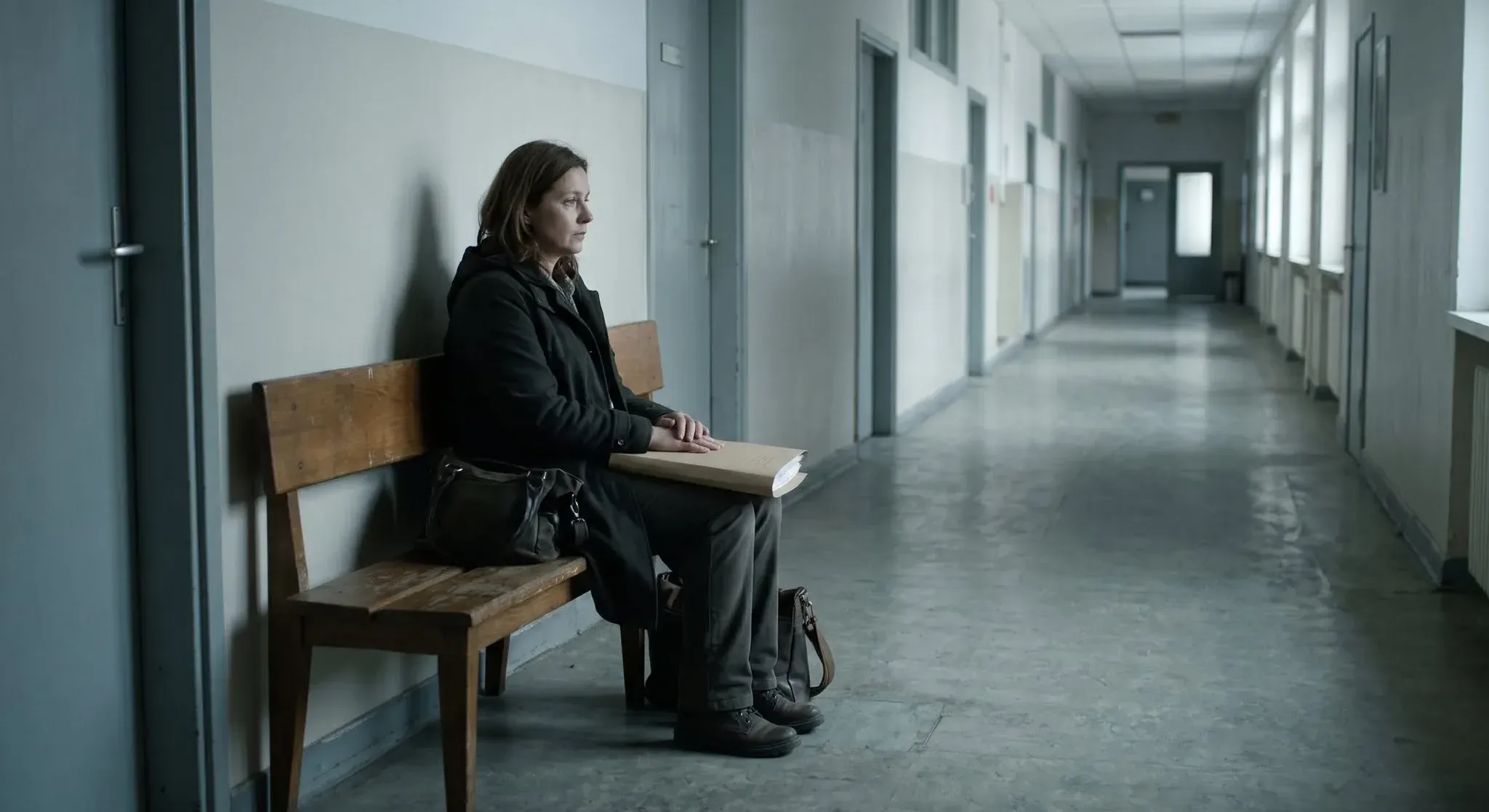
Litigation abuse, also called paper abuse, is using the legal system to keep control of a former partner. The aim is not to win a fair outcome. It is to keep you in contact, frightened and paying.
A study of women who had left violent relationships described a barrage of frivolous lawsuits, false reports of child abuse and other ways of manipulating the system. Those acts forced contact and drained the women financially.
Attorneys and specialists in the same study recognised the pattern. They called for better documentation to protect women still dealing with former partners.
Courts are slow to see it. Each application can look reasonable on its own. The pattern only shows when someone looks at all of them together.
Is post-separation abuse dangerous?
It can be. This is the part to take most seriously.
A study of intimate partner homicides across 11 US cities compared 220 women who were killed by a partner with 343 abused women who were not. Estrangement raised the risk, especially from a controlling partner.
Access to a gun and previous threats with a weapon raised the risk as well. So did stalking and forced sex. These factors do not predict any individual case. They are reasons to plan for safety, not to panic.
If you are afraid for your life or your children’s, treat it as a safety issue first. In the US, the National Domestic Violence Hotline can help you make a safety plan. Crisis support lists services in other countries.
How does post-separation abuse affect children?
Children are often the main channel. Handovers, school events and the children’s own phones become ways to reach you.
Some children are pressured to carry messages, take sides or report on the other parent. Others are kept in the middle of disputes for years. This harms them directly, not only through the stress it causes you.
Co-parenting with a narcissist covers parallel parenting, keeping contact business-like, and protecting children from the conflict.
How do you protect yourself from post-separation abuse?
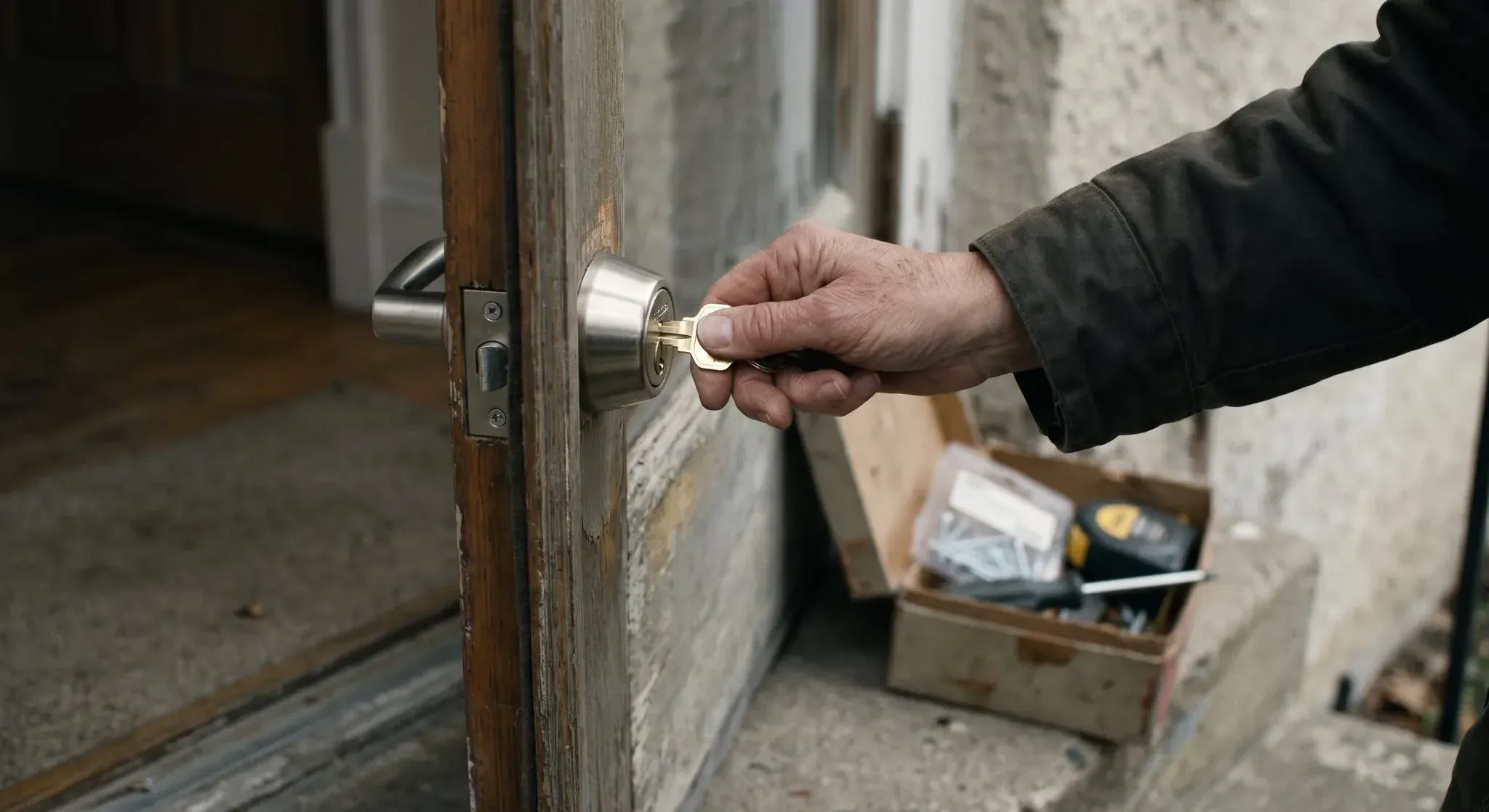
- Make a safety plan: A domestic abuse service can help you plan for handovers, travel and home security.
- Document everything: Keep dated records of messages, missed payments, incidents and court filings, stored where they cannot reach.
- Use written communication: Move contact to one channel, such as a co-parenting app or email, and keep replies brief and factual.
- Get specialist legal advice: Look for a lawyer who understands domestic abuse and coercive control, not only family law.
- Tell the professionals the whole pattern: One incident looks small. A timeline shows what is happening.
- Limit what you share: New address, routines and plans stay with people you trust. The grey rock method covers giving them nothing to work with.
- Protect your money: Separate accounts, change passwords, and get advice on what you are entitled to. Financial abuse covers the economic side.
You are not overreacting by taking this seriously. You are responding to a pattern that research recognises.
Common questions
Is post-separation abuse the same as high-conflict divorce? No. High conflict involves two people fighting. Post-separation abuse is one person using the separation to control the other, usually continuing a pattern from the relationship.
Can post-separation abuse happen without children? Yes. Harassment, stalking, smear campaigns and financial control can all continue without children in the picture. Smear campaign covers the reputation side.
How long does post-separation abuse last? It varies. For some people it fades as the ex loses interest or finds a new focus. For others, especially with shared children, it lasts years.
Is post-separation abuse a crime? Some tactics are, depending on where you live: stalking, harassment, threats and breaching court orders. In some countries coercive control itself is an offence. A specialist lawyer or abuse service can tell you what applies.
Why do people not believe me? Because each piece looks small, and the person doing it often presents well. DARVO covers how the roles get reversed in front of an audience.
What to take from this
Leaving ends the relationship. It does not always end the control.
Post-separation abuse is recognised in research as a real and sometimes dangerous pattern, carried on through courts, money, the children and other people. It is not your failure to move on.
Safety comes first. After that, documentation, written contact and specialist help make the pattern visible to the people who can stop it.
Where to go next. Coercive control covers the wider pattern this continues.
How to leave a narcissist covers planning the exit, and hoovering covers attempts to pull you back in.
The no contact rule covers cutting contact where that is possible, and hypervigilance covers the constant alertness this kind of pressure leaves behind.
If you want structured support rebuilding while this is going on, the 8 week narcissistic abuse recovery program is built for the aftermath. It is coaching, not legal advice or a crisis service.
Coaching is not therapy and is not a substitute for medical or psychiatric care. If you are in crisis, please use the support resources on this site or contact your local emergency services.