Trauma Responses: Fight, Flight, Freeze, Fawn
Trauma responses are the body's automatic reactions to danger. Fight, flight, freeze, fawn and collapse, what research supports, and how they ease after abuse.
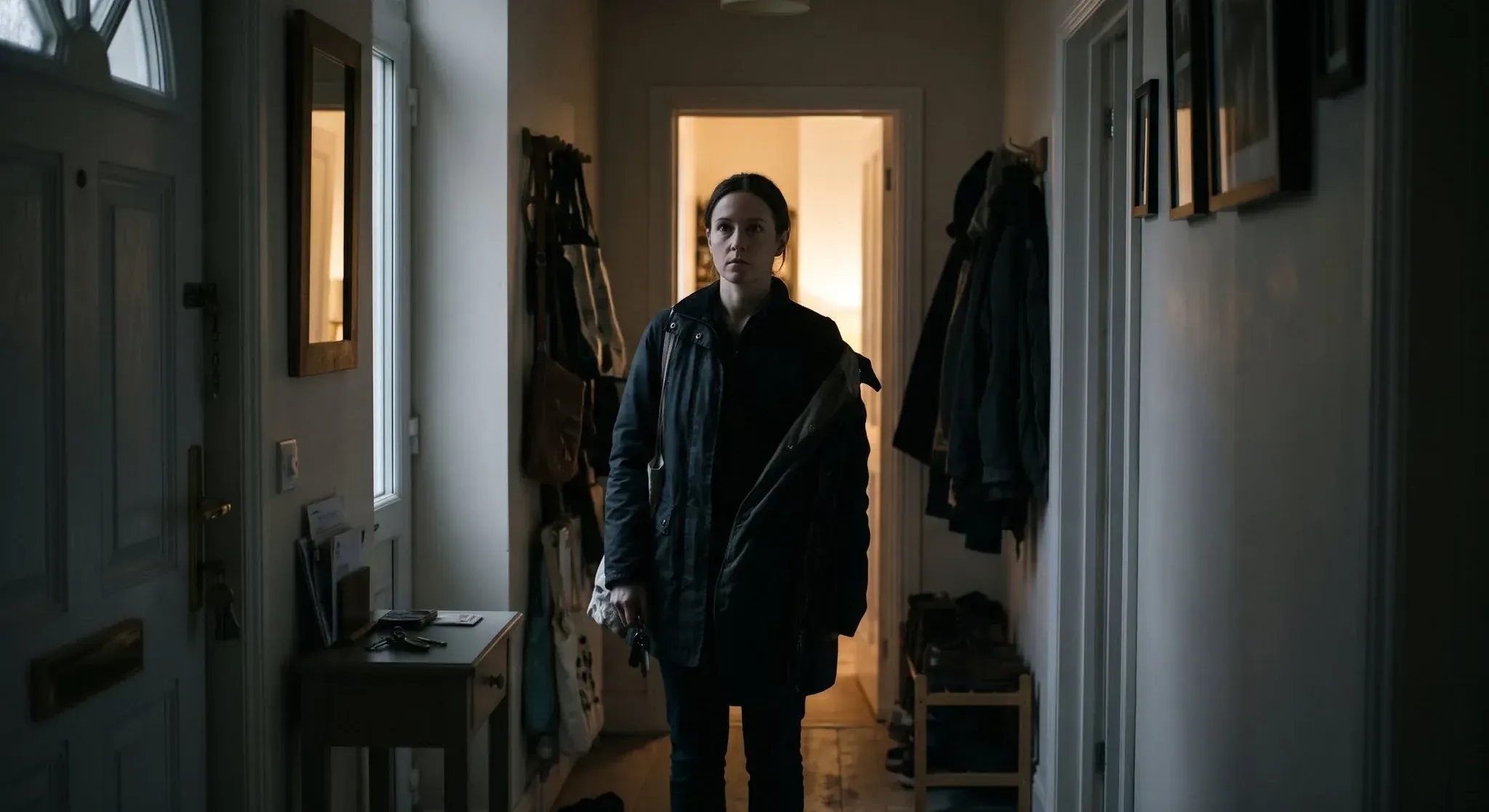
Someone raises their voice and you go still. You cannot think, cannot answer, cannot move.
Later you replay it and ask why you did not say something, or leave. The answer is that the decision was never yours to make in that moment. Your body made it first.
What is a trauma response?
A trauma response is an automatic reaction to danger, real or remembered. It is run by the body’s survival systems, faster than conscious thought. The best-known forms are fight, flight, freeze and fawn, and some people add collapse.
The same reactions keep you alive under threat. They become a problem when they keep firing after the danger has passed, triggered by a tone, a look or a slammed door.
That is why the phrase can be confusing. A trauma response is not a flaw. It is a protective system doing its job in the wrong place.
What are the four trauma responses?
- Fight: Meeting threat with anger, argument or force. After abuse it can look like snapping at small things, or a short fuse you do not recognise.
- Flight: Getting away. It can be physical escape, or staying busy, overworking and avoiding anything that slows you down.
- Freeze: Going still and blank. You cannot speak or move, and time feels strange.
- Fawn: Appeasing the threat. You please, agree, apologise and soothe, so the danger stays calm.
Some lists add flop or collapse, where the body goes limp and shuts down. You will also see five, seven or nine responses in different articles. Most of the longer lists divide the same few reactions more finely.
What does the research actually support?
The four Fs are a teaching tool, not a scientific model. The research describes something more helpful: a sequence.
The framework with the strongest footing is the defense cascade, set out in a 2015 review in Harvard Review of Psychiatry. It describes the steps a body moves through as threat rises: arousal, then fight or flight, then freezing, then tonic immobility, then collapse.
The later stages happen when escape is not possible. That is the part survivors most need to hear. Freezing is what a body does when fighting or running would not work.
An earlier 2004 paper proposed a similar order: freeze, flight, fight, fright and faint. It was a theoretical argument, not an experiment, but it helped move the field past “fight or flight” as the whole story.
Fawning has its own roots. A 2000 paper in Psychological Review argued that people under stress also turn towards others, a pattern it called tend and befriend.
A 2007 review of what it called traumatic entrapment described appeasement as a defence when the threat is a person you cannot escape. That is the closest research home for the fawn response.
Why did I freeze instead of fighting back?
Because freezing is often the body’s first choice when the threat is overwhelming. It is not consent, and it is not weakness.
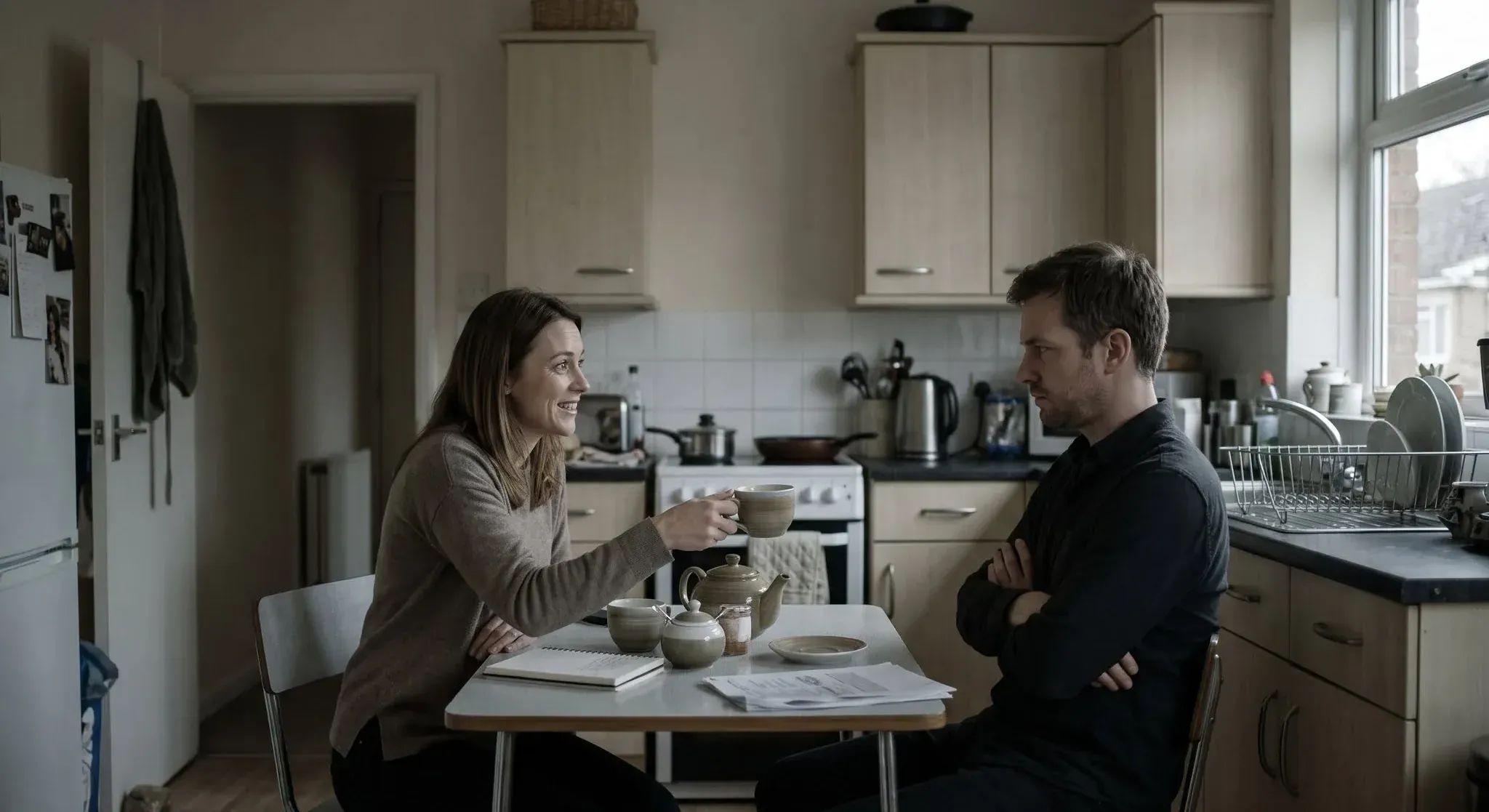
The clearest evidence comes from sexual assault research. A 2017 study of 298 women seen within a month of being raped found that 70% reported significant tonic immobility during the assault. 48% reported extreme immobility.
Tonic immobility is an involuntary state where the body cannot move. In that study it predicted later PTSD and severe depression.
The authors argued that this knowledge matters in legal settings, where victims are often asked why they did not resist. A 2024 review made the same case about how the law treats freezing.
The question “why didn’t you fight back” assumes a choice that the body did not offer. Dorsal vagal shutdown covers the collapse end of this in more depth.
How do trauma responses show up in relationships?
Long after the danger has gone, the same reactions can run your relationships.
- Fight can look like defensiveness, needing to win every argument, or reacting to mild criticism as an attack.
- Flight can look like leaving conversations, ending relationships early, or staying too busy to be close.
- Freeze can look like going blank in conflict, being unable to say what you want, or agreeing just to make it stop.
- Fawn can look like people pleasing, over-apologising and losing track of your own preferences.
None of these make you a bad partner. They do mean that a calm person can be read as a threat, because the alarm is tuned to the past.
In an abusive relationship there is another layer. Fight responses can be provoked on purpose, then used as evidence that you are the problem. Reactive abuse covers how that works.
Which trauma response do I have?
Most people use more than one. Which shows up depends on the threat, who it comes from and how trapped you feel.
Children who could not escape a parent may learn fawn or freeze, because fighting a parent was not an option. Adults in controlling relationships can move from fight to fawn over time, as resistance keeps being punished.
There is no validated test that sorts you into one type. Online quizzes can prompt reflection, but they cannot diagnose anything. The better question is when each response shows up, and what it is protecting you from.
How long do trauma responses last?
Right after a frightening event, strong reactions are normal and often fade over weeks. When the threat went on for months or years, the responses tend to last longer, because the body learned them through repetition.
They usually ease as life becomes safer, and faster with support. They rarely vanish overnight. What changes first is often the recovery time: the reaction still comes, and you come back from it sooner.
How do you heal trauma responses?

- Name the response: “This is freeze” or “this is fawning” turns an overwhelming state into something you can observe.
- Work with the body first: Slow breathing, feeling your feet on the floor and looking around the room all signal safety. Somatic exercises covers ways in.
- Find your early signs: A tight jaw before fight, a blank mind before freeze, a rush to agree before fawn. Catching them early gives you a choice.
- Practise in low-stakes moments: Saying no to a small request rebuilds the muscle that fawning wore down.
- Drop the shame: The reaction kept you alive. Blaming yourself for it feeds the same threat system you are trying to calm.
- Get trauma-focused help if it is heavy: A 2019 meta-analysis of 51 trials found that therapies including trauma-focused CBT and EMDR reduced complex PTSD symptoms.
Coaching is not therapy. If trauma responses come with flashbacks, dissociation or thoughts of harming yourself, start with a trauma-informed therapist, and see crisis support if you need help now.
Common questions
What is the fawn trauma response? Fawning is appeasing a threat to stay safe: pleasing, agreeing and soothing. The fawn response covers it in full.
Is anger a trauma response? It can be. Fight responses show up as irritability and anger, especially when something resembles the original threat.
Can trauma responses look like personality traits? Yes. Constant busyness, people pleasing or never relying on anyone can look like personality. They are often protection that became habit.
Is dissociation a trauma response? Yes. Dissociation is closely linked to freeze and collapse. Dissociation covers what it feels like and what helps.
Are trauma responses the same as PTSD? No. Everyone has trauma responses. PTSD is a diagnosis for when those responses persist and disrupt life over time.
What to take from this
Trauma responses are the body’s survival system, running faster than thought. Fight, flight, freeze and fawn are simple names for a more complicated sequence.
The research is clearest on one point. Freezing and appeasing are normal responses to threats you cannot escape.
You did not choose how your body reacted. You can choose, slowly, how you treat yourself now.
Where to go next. Hypervigilance covers the constant watching that keeps these responses on standby.
Emotional flashbacks covers how old fear returns without a memory, and narcissistic abuse and the nervous system covers what long-term threat does to the body.
Hyper-independence covers a quieter trauma response: never letting anyone help.
If you want structured support rebuilding after an abusive relationship, the 8 week narcissistic abuse recovery program is built for the aftermath.
Coaching is not therapy and is not a substitute for medical or psychiatric care. If you are in crisis, please use the support resources on this site or contact your local emergency services.